How to Choose the Perfect Wedding Dress (And Why the Trends in Wedding Dresses Matter Beyond the Mirror)
Let’s be honest, wedding dresses are more than just beautiful gowns. They’re emotional, symbolic, and often one of the most exciting parts of wedding planning. Whether you’ve dreamt of yours since childhood or you’re feeling overwhelmed at the thought of stepping into a bridal shop, choosing your wedding dress is a big deal.
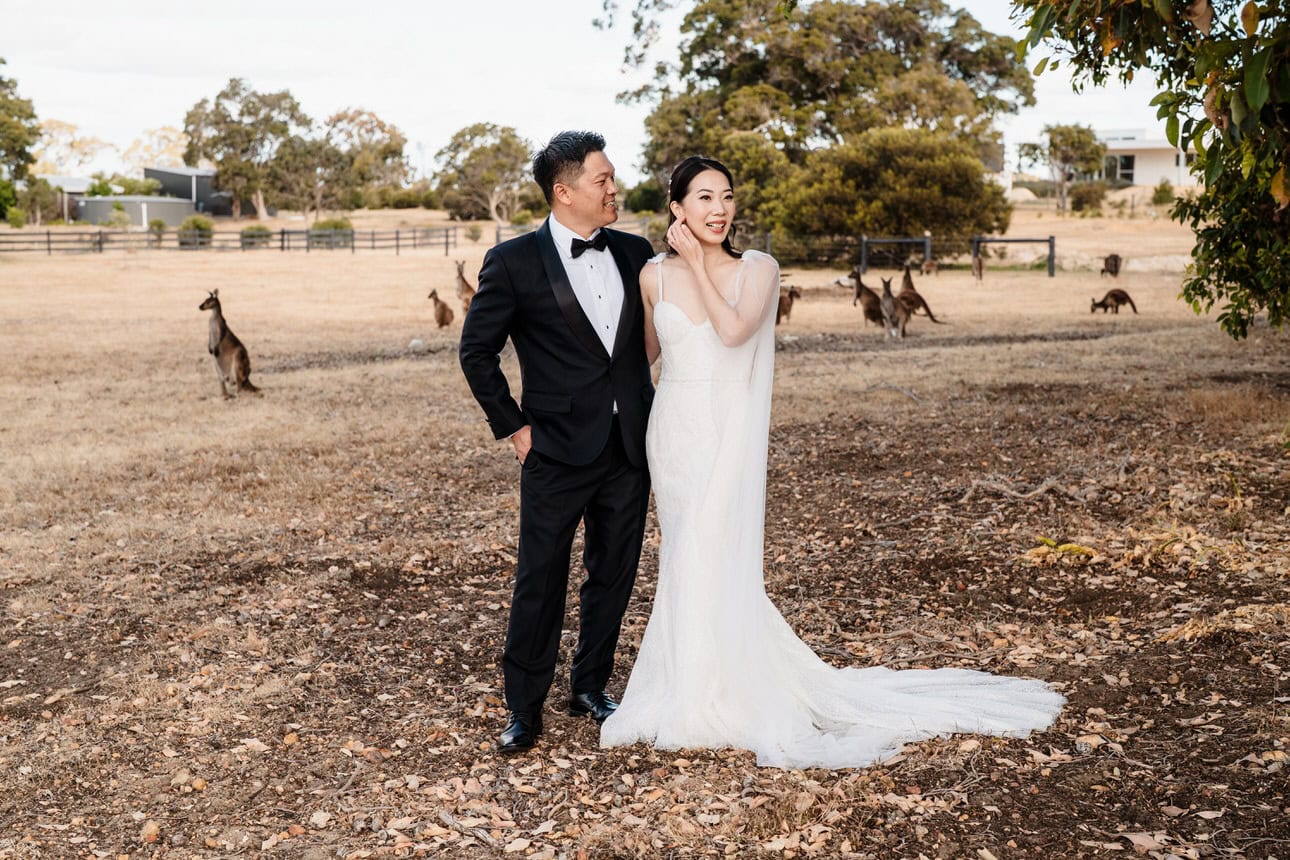
Think of it this way: the dress is usually the first big design decision couples make, and nearly every other detail, from floral direction to lighting style to venue décor, will eventually circle back to it. A sleek satin gown sets a different tone than a romantic lace ballgown. A fashion-forward mini with pearls hints at a couple ready to embrace the non traditional. Whatever is selected, the rest of the wedding is working in its shadow (and spotlight).
As a wedding photographer, I’ve seen hundreds of wedding dresses in all styles, materials, and fits. From flowing boho silks to glamorous, beaded masterpieces. But here’s the thing: the most stunning wedding dresses aren’t always the ones that cost the most or have the longest train. They’re the ones that reflect the bride’s personality, feel comfortable all day long, and complement the overall feel of the wedding.
So if you’re currently diving head-first into the magical (and sometimes slightly chaotic) world of wedding dress shopping, here are a few helpful things to keep in mind. Let’s make sure your dress is as practical as it is beautiful—and that it fits your vibe, your venue, and most importantly, you.
First Things First: What Does “The Perfect Dress” Even Mean?
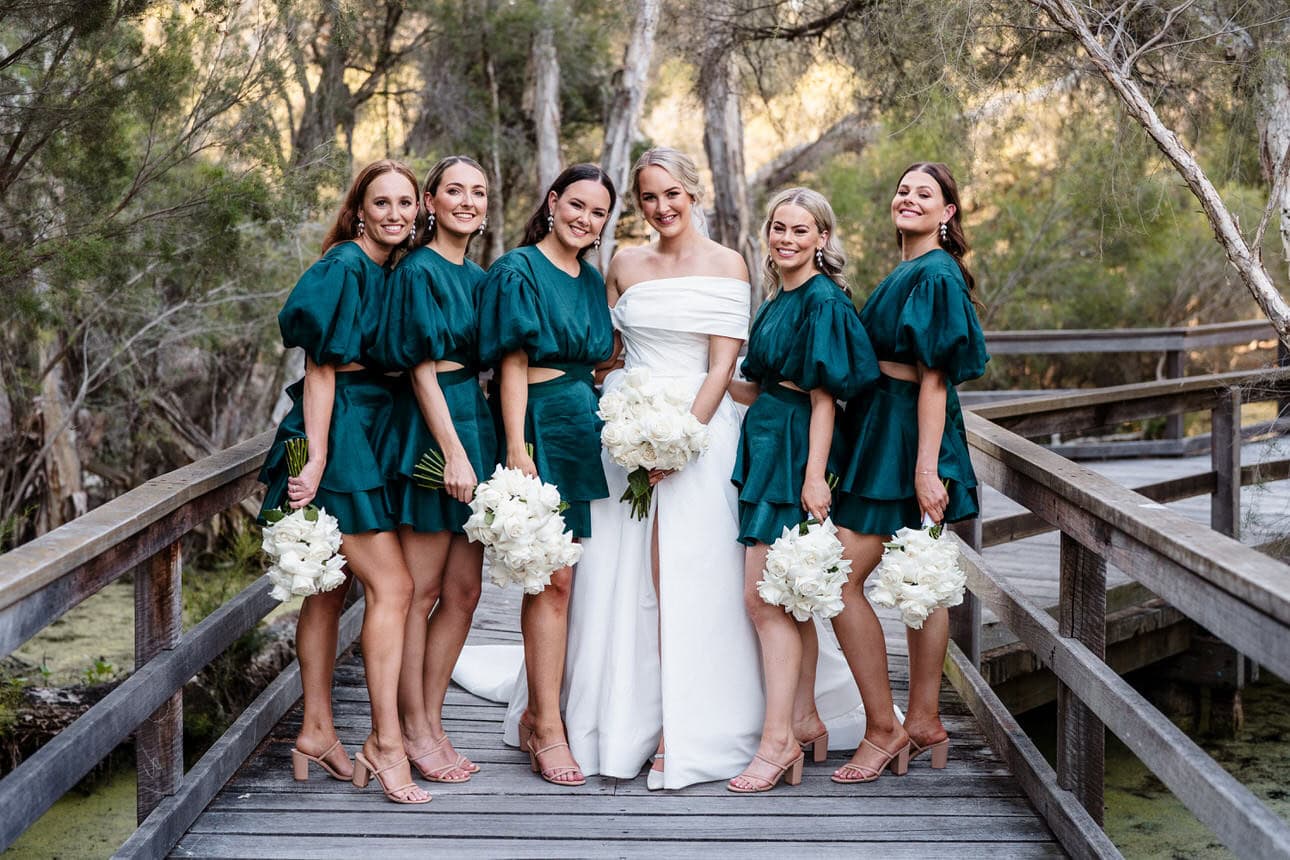
Your perfect wedding dress doesn’t have to be a dramatic ball gown or a sleek designer number (unless you want it to be). It might be short and playful, vintage and full of history, or something custom made just for you. The key is finding a dress that makes you feel confident and comfortable—one that allows you to move, laugh, hug, dance, and yes, even eat cake.
It’s worth remembering that your wedding dress is a part of your whole day, not just your Pinterest board.
1. Can You Sit Down Comfortably?
It sounds obvious, but you’d be surprised how many people forget this in the fitting room.
That dreamy corset might cinch your waist like a fairytale, but what happens when you sit for dinner? Or during the ceremony? Can you breathe comfortably when you’re not standing tall?
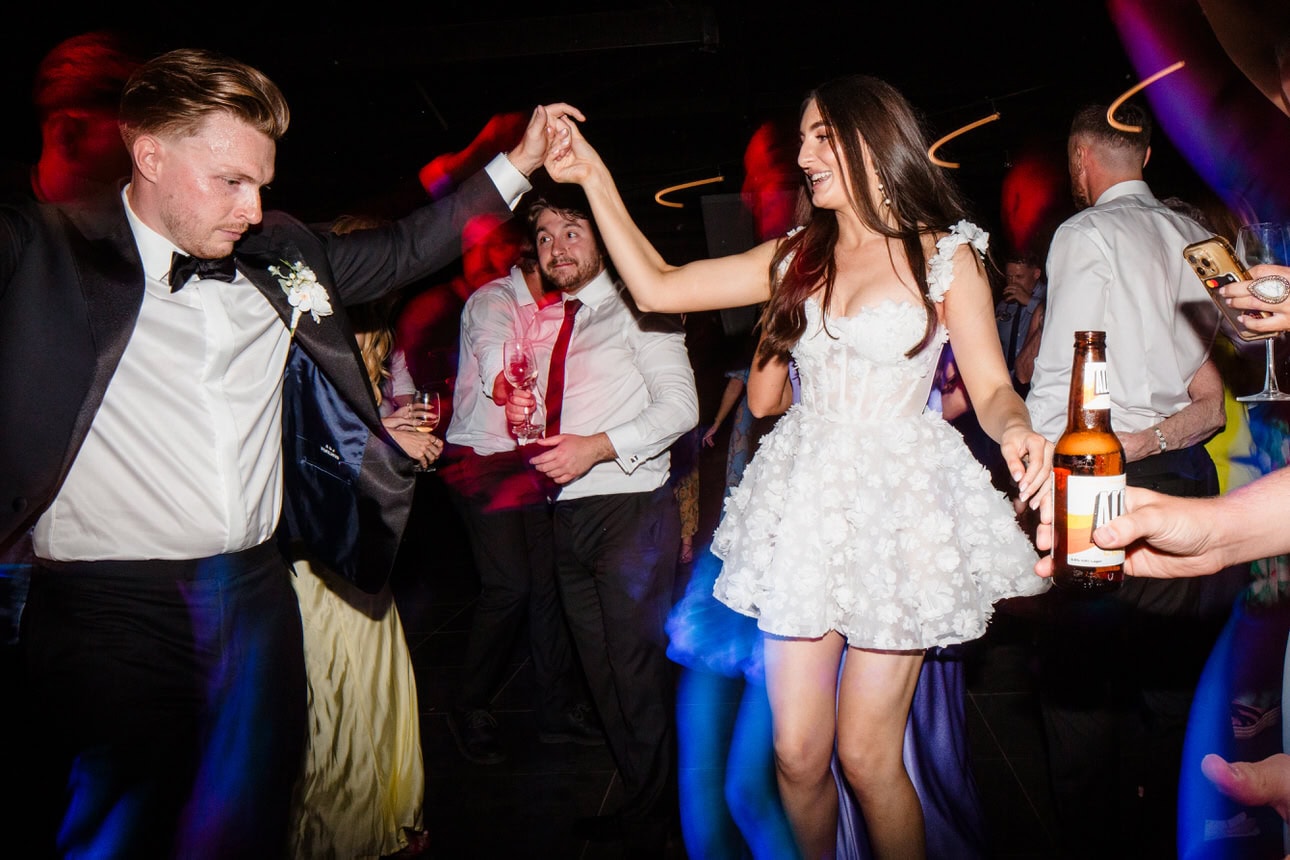
Try sitting, walking, and raising your arms when trying on dresses (think about that first dance). It’s not about being overly practical, it’s about making sure you’re not thinking about your dress when you should be lost in the moment.
2. Know Your Fabrics
Not all fabrics are created equal, especially when it comes to all-day wear.
- Silk & Satin – Elegant and luxurious, but can show sweat and crease easily (worth considering for summer weddings).
- Chiffon & Tulle – Light and romantic, perfect for movement and warm-weather ceremonies.
- Lace – Timeless and textured, lace can range from delicate and dainty to bold and modern.
- Crepe – A smooth, stretch-friendly option that’s great for minimalist gowns with beautiful drape.
- Organza or Mikado – Heavier and more structured—ideal if you want a dress that holds shape or has a grand silhouette.
Choosing a fabric that works with your body, your season, and your venue is key. If you’re getting married on a beach, maybe avoid heavy satin. If your ceremony is in the middle of winter, airy chiffon might not cut it. Think about how the fabric will feel all day—not just how it looks in the mirror.
3. Think About the Weight
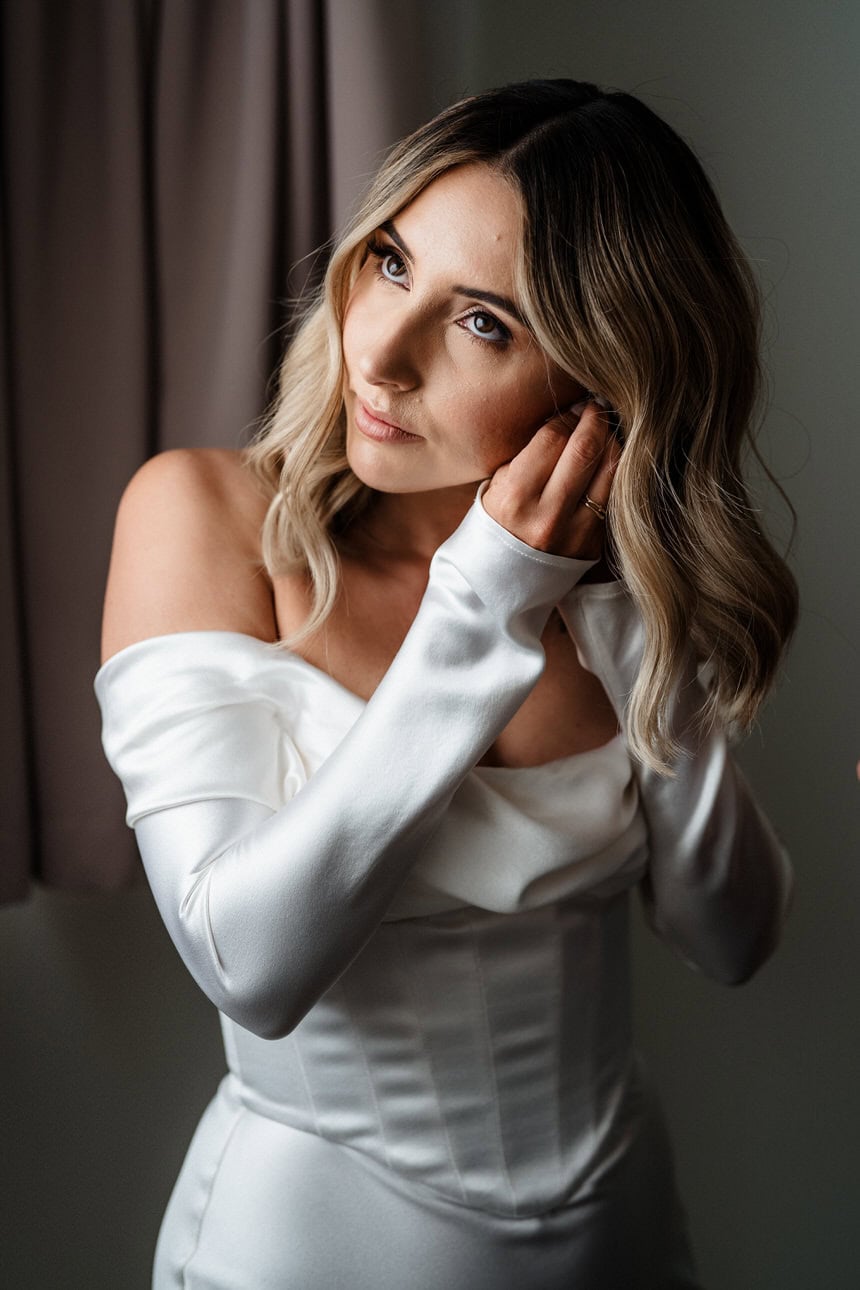
A beautiful dress that weighs 10kg might sound impressive… until you’ve been wearing it for eight hours and it’s dragging on every surface.
Ask your bridal stylist about the weight of the dress, especially if it’s heavily beaded, layered, or structured. Remember: your wedding day is long. You’ll be moving, posing, hugging, and maybe even hitting the dance floor.
If you fall in love with a heavier gown, consider a second, lighter dress for the reception. Or look for clever tailoring options that let you remove layers or a long train after the ceremony.
4. Length and Movement Matter
Length isn’t just a style decision—it’s a practical one.
- Floor-length gowns with long trains are stunning, but they need bustling or help from a bridesmaid during the day.
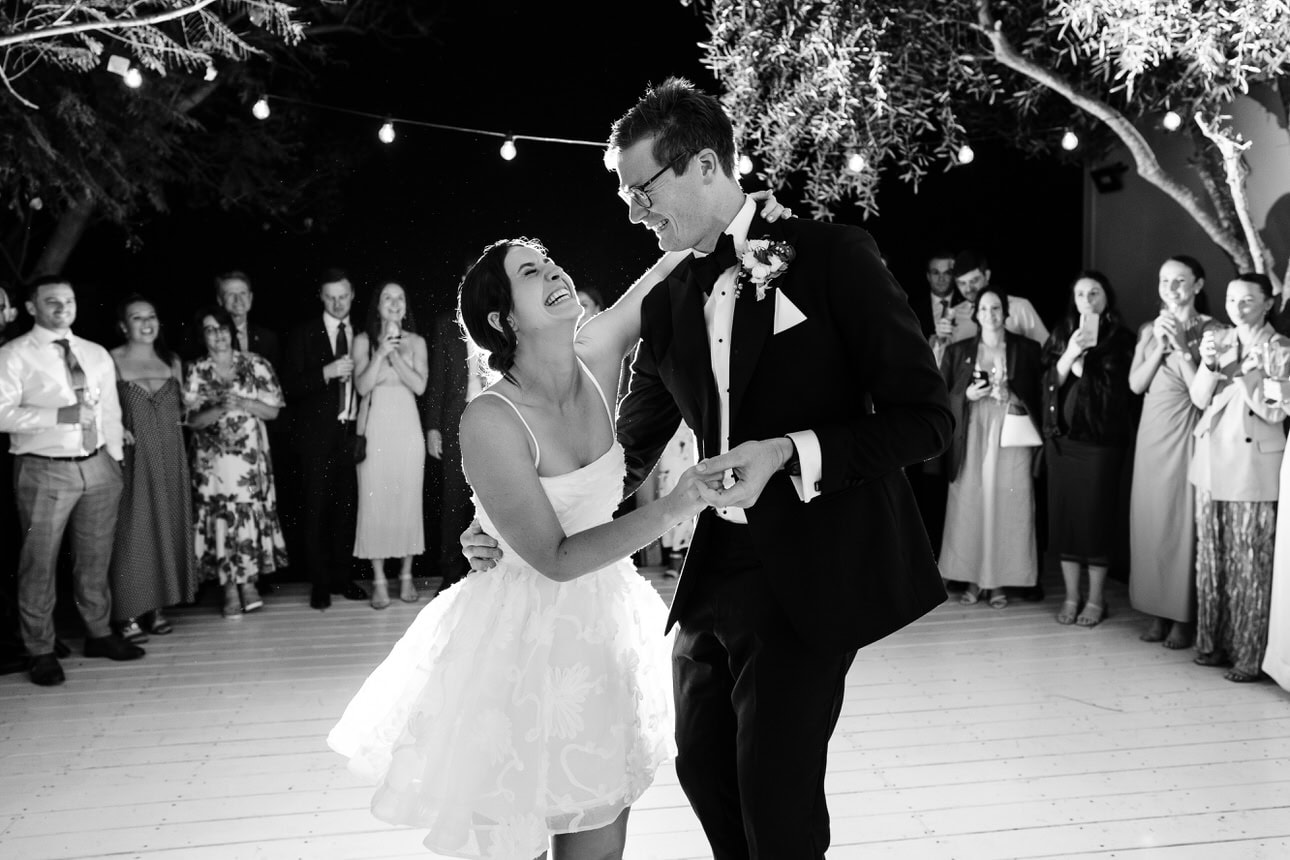
- Tea-length or shorter dresses are easier to move in, dance in, and often feel less formal—but just as fun.
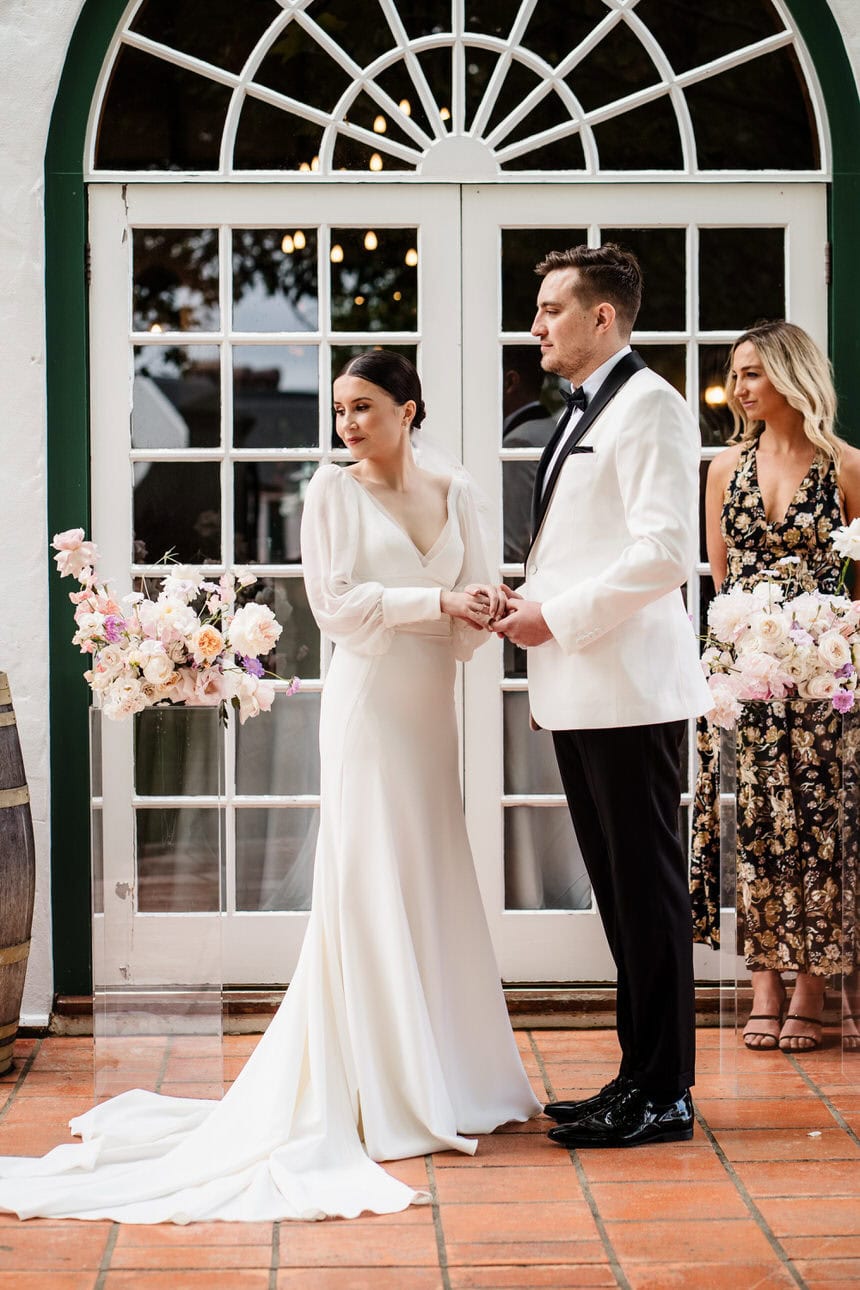
- Cathedral or chapel trains? Beautiful in photos, but best suited to indoor or clean-ground venues unless you’re happy with a bit of dirt and adventure.
Tip from behind the lens: If your dress is too long or heavy for you to move freely, it can make candid photos a little trickier. Natural movement = natural smiles = dreamy photos.
5. Does It Fit the Styling and Theme of Your Day?
Your dress should feel like part of your wedding—not an outlier.
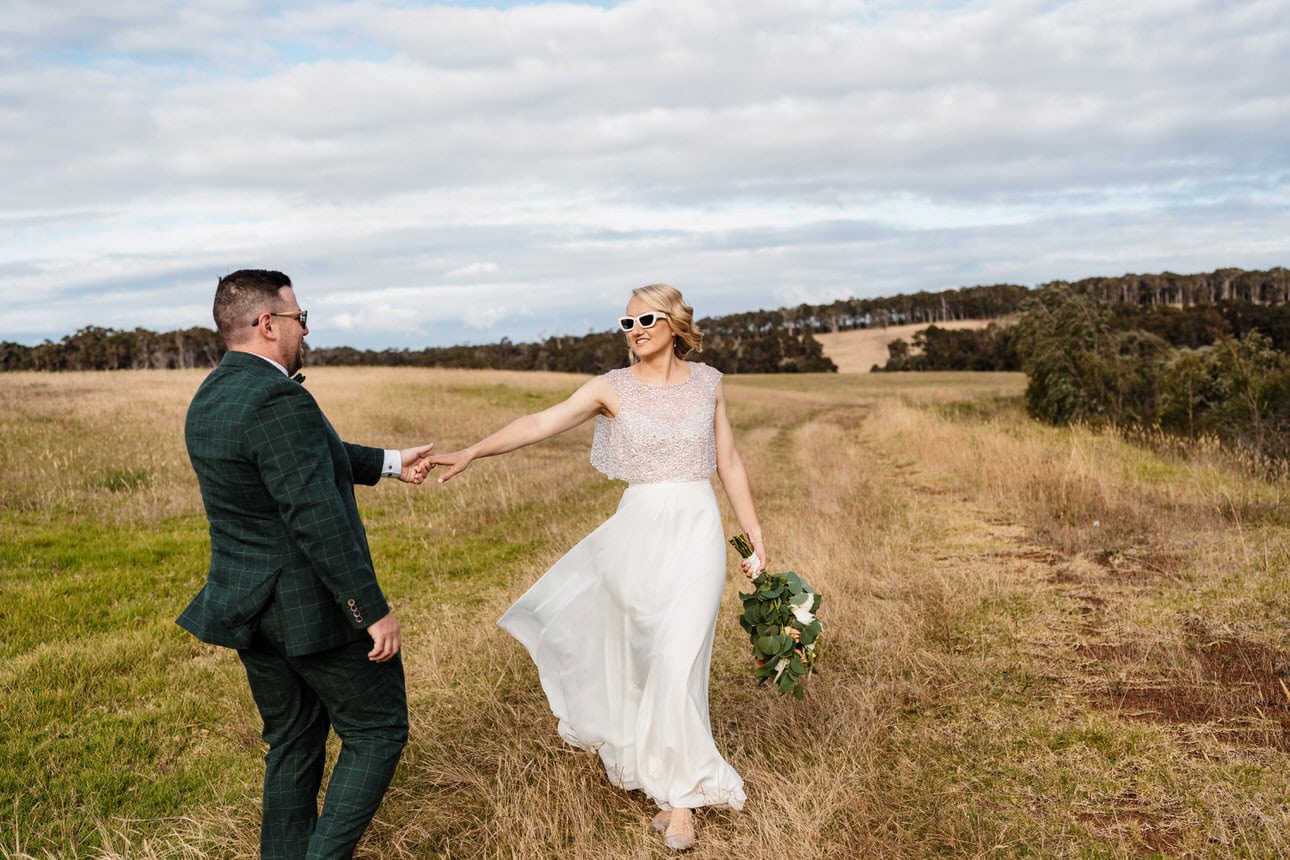
Planning a relaxed, rustic celebration in a countryside barn? A soft, flowing gown with natural fabrics will likely feel more at home than a high-fashion structured ballgown. Going for a vintage Art Deco evening? Sequins, pearls, or lace detailing could tie in beautifully with your styling.
This doesn’t mean you need to be overly matchy-matchy. But it’s worth thinking about how your dress complements your venue, florals, color scheme, and overall vibe. That connection creates a sense of cohesion throughout your wedding, and in your photos.
6. Or… Plan Your Day Around the Dress
On the flip side, maybe you find the dress first…. and everything else follows. That’s totally valid, too!
Some brides fall in love with a specific silhouette, or they discover a gown with so much personality that it becomes the centerpiece of the day. If that’s the case, don’t be afraid to let your wedding styling evolve to support your vision.
A statement dress can inspire everything from your florals to your table styling to your invitations. And as a photographer, I love seeing a wedding day that’s been shaped by something so personal, it often creates the most memorable details.

7. Think About the Photos (Just a Little)
From a photography perspective, there are a few details that can really enhance how your dress is captured:
- Back details – Think buttons, lace, or an open back—these are beautiful during the ceremony and candid moments.
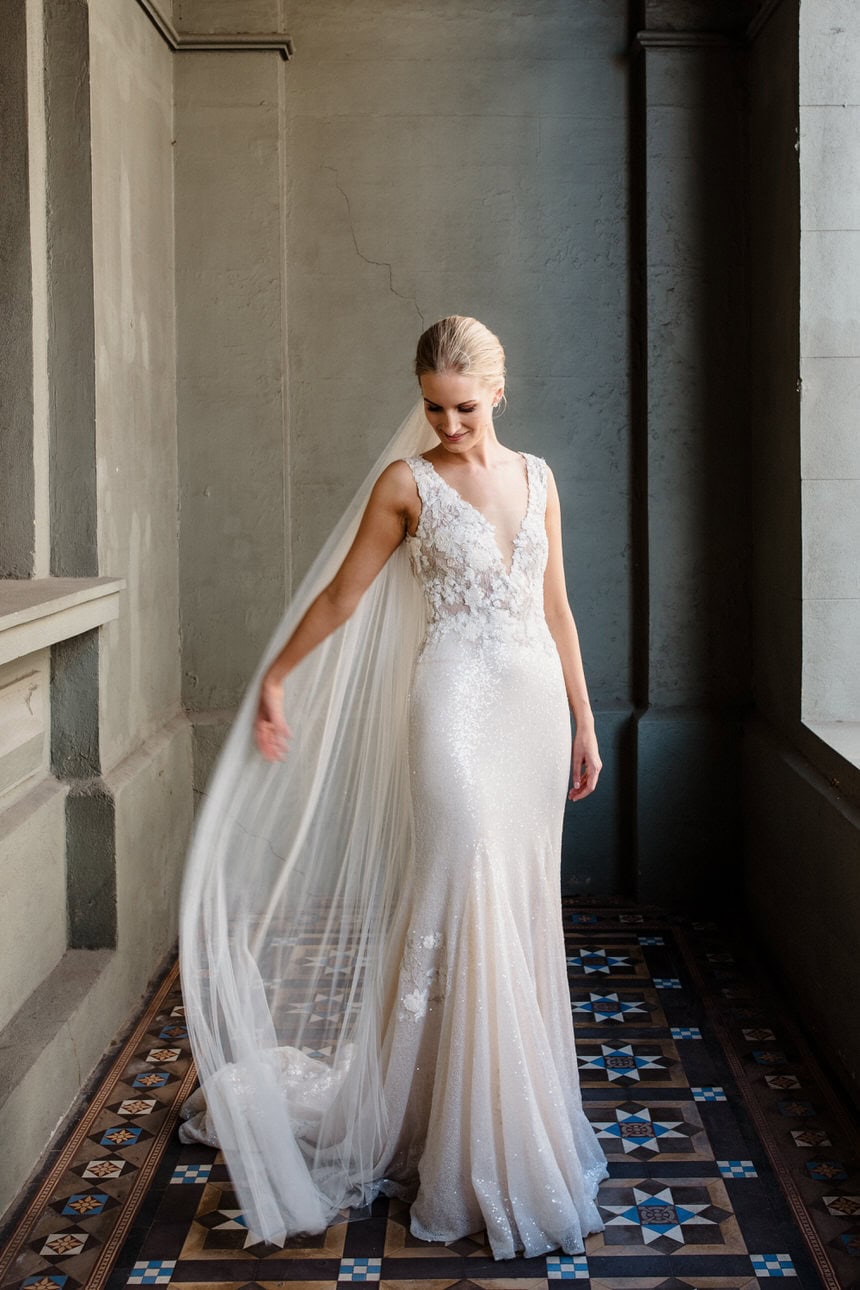
- Veils and movement – Long veils or floaty skirts can create magical movement in photos.
- Necklines and accessories – Your choice of neckline can influence how you wear your hair, and vice versa. It’s all about balance.
- Don’t shy away from a sleeve – especially if you’re conscious of your arms in the photos
But ultimately? Don’t pick a dress based on what might photograph well. Pick the dress that makes you light up. That glow always translates best in photos.
8. You Don’t Have to Fall in Love Instantly
Despite what the TV shows say, not everyone cries in the fitting room. And that’s okay.
Well, except for maybe mum. She’ll cry.
Sometimes the dress you end up loving is one you almost didn’t try on. Sometimes it takes seeing yourself in photos, or having a second (or third!) appointment, before you know for sure.
Trust your instincts. Trust your comfort. And remember: the dress is only one part of your wedding day. A beautiful one, sure, but not the whole story.

In Summary
When it comes to wedding dresses, there’s no one-size-fits-all. Choose a gown that reflects your personality, suits your day, and lets you move, sit, eat, and dance freely. Think about fabric, weight, length, and how it fits in with the styling of your wedding. Or, if you’re head over heels for one particular dress, build your day around it!
As a wedding photographer, I’m always here to make sure your dress (and your whole day) is captured beautifully, whether it’s a flowing boho dream or a sleek city-chic number.
Whatever you wear, wear it with joy.
Jodie x
Looking for some more information on wedding planning? Check out my post o How to Nail The Perfect Wedding Timeline here!